
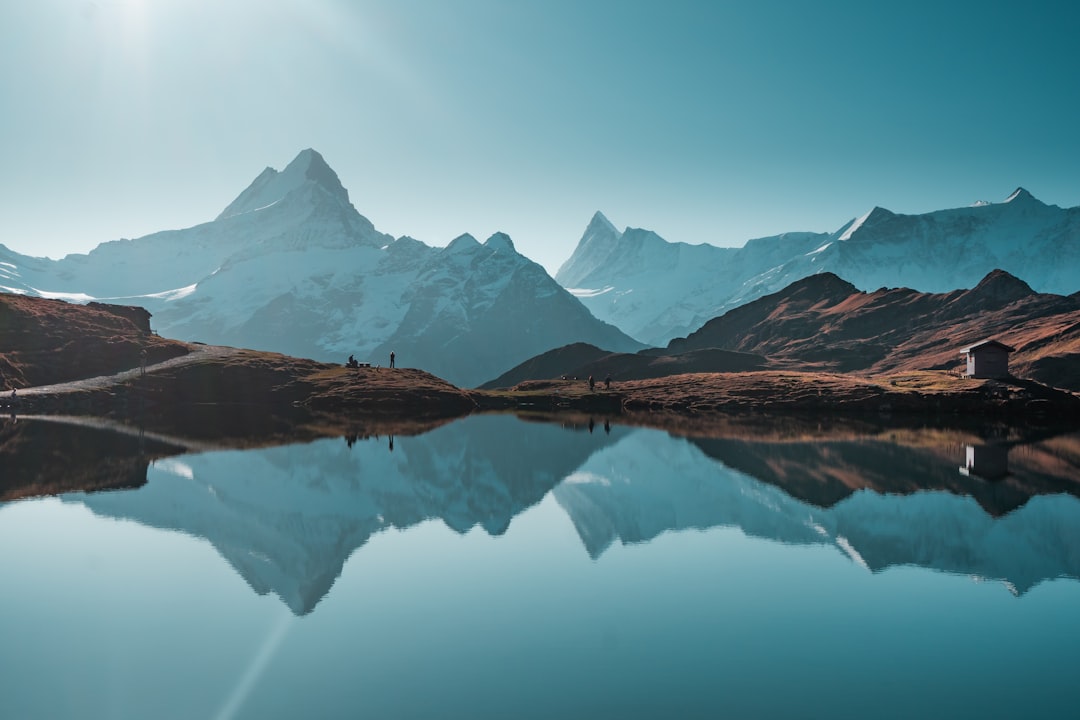
In our fast-paced, tech-driven world, the call of the wild has never been more alluring. Nature, in all its splendid glory, offers an escape, a refuge from the daily grind, and a pathway to mental rejuvenation. But how exactly does immersing oneself in the great outdoors affect the mind?
Let’s start with the basics. Our brains are wired for nature. Studies show that being in nature reduces stress, lowers blood pressure, and enhances mood. It’s no coincidence that after a hike or a day at the beach, you feel a sense of calm and clarity. This phenomenon, known as ‘biophilia,’ is the idea that humans have an innate connection to the natural world.
But the benefits of nature go beyond just a good mood. Spending time outdoors can boost cognitive function. A study published in the ‘Journal of Environmental Psychology’ found that walking in nature, as opposed to urban environments, enhances memory and attention. It’s believed that nature offers a restorative experience for the mind, providing a break from the constant stimulation of modern life.
Outdoor adventures also foster creativity. The quiet and solitude found in natural settings allow the mind to wander, which can lead to innovative ideas and solutions. Artists, writers, and thinkers have long sought inspiration from nature. Consider Henry David Thoreau’s time at Walden Pond or the countless artists who’ve painted stunning landscapes.
Additionally, engaging in outdoor activities can improve self-esteem and reduce symptoms of anxiety and depression. Whether it’s the accomplishment of reaching a mountain summit or the simple act of observing wildlife, these experiences can lead to a sense of achievement and joy.
Let’s not forget the social benefits. Outdoor activities often involve teamwork and communication, whether it’s planning a route for a hike or working together to pitch a tent. These shared experiences strengthen bonds and build community.
Furthermore, there’s a growing body of evidence supporting the use of ‘green exercise’—physical activity in natural settings. Whether it’s running through a forest, cycling along a river path, or doing yoga on the beach, green exercise combines the benefits of physical activity with the calming effects of nature, providing a double dose of wellness.
Incorporating nature into our daily lives doesn’t require a drastic lifestyle change. Even small, consistent doses of nature can make a significant impact. Try taking your lunch outside, planning a weekly park visit, or even filling your home with plants. For city dwellers, urban parks or botanical gardens can provide a much-needed nature fix.
The therapeutic power of nature is undeniable. As our lives become increasingly digitized, it’s essential to remember that sometimes, the best way to recharge isn’t to plug in but to unplug. Next time you feel the weight of the world on your shoulders, consider stepping outside and letting nature work its magic.